
Nepal Flood 2026: Health Risks, Medical Response and Recovery After the Disaster
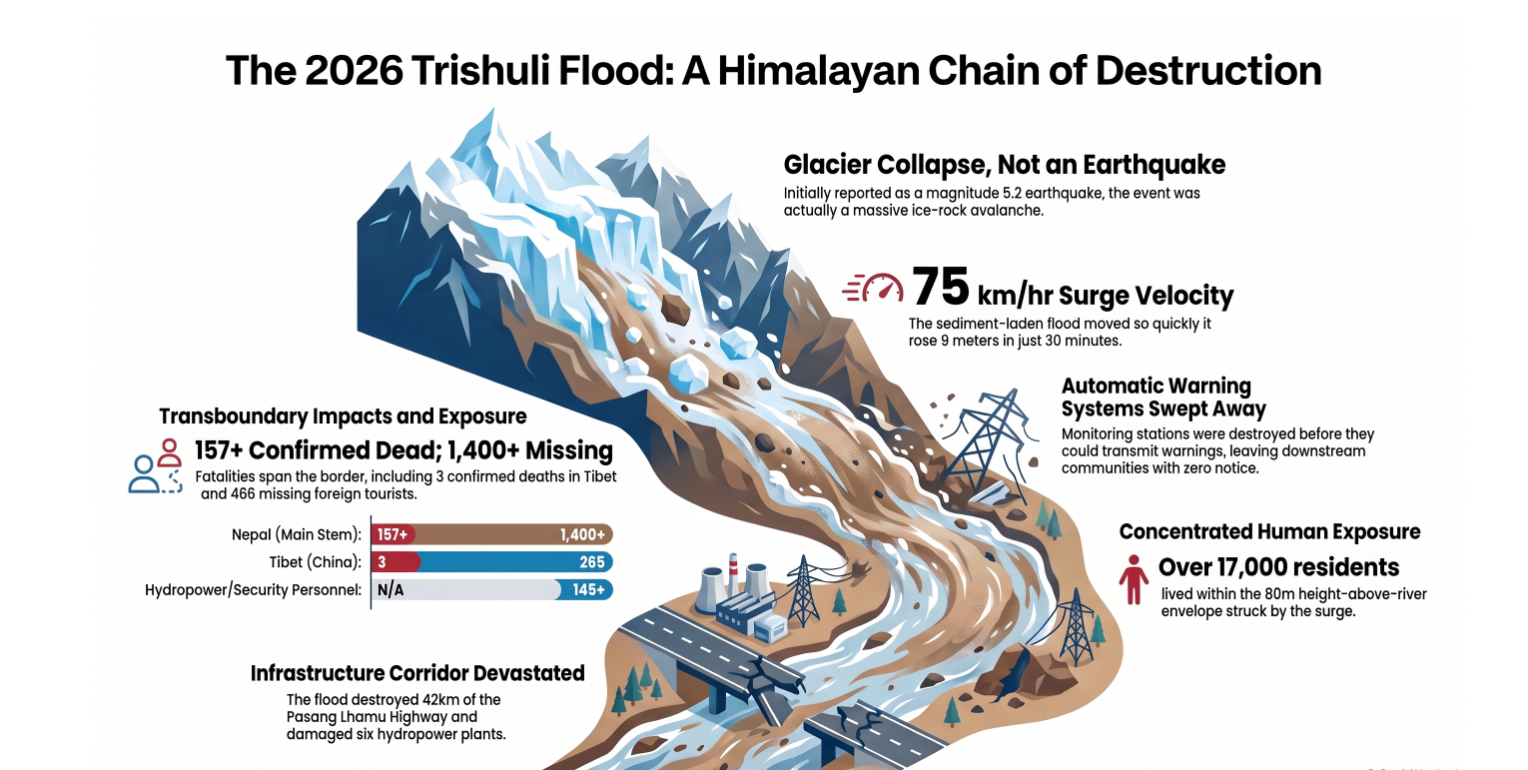
The nepal flood has created a devastating humanitarian and public health emergency. Beyond destroyed roads, homes, bridges, and power infrastructure, the disaster has created serious risks involving injuries, infections, mental health, sanitation, and access to medical care.
At Interclinic, a trusted center for medicine and surgery, we believe that understanding these health risks is important. Therefore, this guide explains what happened, the major medical dangers after the flood, and the practical steps survivors can take to protect themselves.
What Happened During the Nepal Flood?
On Wednesday morning, August 26, 2026, a major disaster struck the Himalayan region. According to the information provided, a sudden glacier collapse near Mount Langtang Lirung and Tsangbu Ri peaks in Tibet triggered a massive landslide.
The landslide was associated with a magnitude 5.2 seismic tremor. Soon afterward, an enormous debris flood moved downstream into central Nepal.
The rushing water travelled through the Lhende Khola and Bhotekoshi river systems before entering the Trishuli River. Consequently, several communities in Rasuwa, Nuwakot, and Dhading districts suffered devastating damage.
At Galchhi, the river reportedly rose by nine metres within just 30 minutes. Because automatic water-monitoring stations were swept away, communities had little or no warning. As a result, many families had only seconds to escape.
The scale of the nepal flood has therefore created challenges far beyond ordinary flooding. Rapid water movement, heavy debris, damaged infrastructure, and isolated communities have all complicated rescue and medical operations.
Nepal Flood Death Toll and Humanitarian Impact
The human cost of the disaster has been extremely heavy.
According to the supplied information, search and rescue teams confirmed at least 675 deaths in Nepal and seven deaths in Tibet. That brought the reported confirmed death toll to 682.
Meanwhile, nearly 3,000 people remained missing. The missing included 2,426 people in Nepal and 554 people in Tibet’s Gyirong County.
Among those reported missing were foreign tourists, including 33 British citizens, as well as Hindu pilgrims.
At the same time, more than 3,700 survivors had been rescued. However, the humanitarian impact extended far beyond those directly involved in the rescue operations.
The Red Cross estimated that at least 93,000 people were directly affected. Furthermore, critical infrastructure worth millions of dollars was destroyed. The estimated reconstruction cost was reported at between four and five billion dollars.
For survivors, however, recovery is not simply about rebuilding roads and houses. They must also deal with physical injuries, infectious diseases, psychological trauma, disrupted healthcare, and unsafe water.
That is why the medical consequences of the nepal flood deserve serious attention.
Immediate Health Risks After the Nepal Flood
In the first few days after a major flood, physical trauma becomes one of the most urgent medical concerns.
Fast-moving floodwater can cause drowning. Moreover, floodwater can carry enormous rocks, trees, pieces of buildings, and other debris.
These objects can strike people with tremendous force. Consequently, survivors may suffer fractures, crush injuries, head trauma, deep cuts, and other serious wounds.
Open wounds create another danger. Muddy and contaminated floodwater can introduce bacteria into damaged tissue.
Therefore, even a relatively small wound requires proper attention. Medical teams need to clean wounds thoroughly, assess the injury, and provide tetanus vaccination when appropriate.
Without timely treatment, contaminated wounds can develop serious infections. In severe cases, infection can progress to sepsis, a life-threatening response to infection that requires urgent medical care.
Crush Syndrome: A Hidden Danger
Another important medical concern after the nepal flood is crush syndrome.
When a person becomes trapped beneath heavy debris for several hours, pressure can restrict blood circulation to a limb. Without enough oxygen, muscle tissue begins to break down.
This process is called rhabdomyolysis. Damaged muscle releases substances such as myoglobin and potassium into the bloodstream.
The danger can increase when rescuers finally remove the pressure. Suddenly, these substances can enter the circulation in large amounts.
Consequently, patients may develop dangerous heart rhythm problems or acute kidney injury.
For that reason, medical teams need to assess trapped survivors carefully. In appropriate cases, intravenous fluids may be started during rescue and continued during medical stabilization.
Rapid recognition matters because crush injuries may initially look less serious than they really are.
Waterborne Diseases After Flooding
Once the immediate trauma phase begins to settle, infectious diseases become a major public health concern.
Floodwater can damage sanitation systems and contaminate drinking-water sources. Sewage may enter wells, rivers, and other water supplies.
As a result, bacteria, viruses, and parasites can spread through displaced communities.
Diseases such as cholera, typhoid fever, bacillary dysentery, and hepatitis A can become serious threats when clean water and sanitation are unavailable.
Children, older adults, and pregnant women may be particularly vulnerable to complications from severe dehydration.
Therefore, providing safe drinking water should remain one of the highest priorities during flood relief.
Cholera and Severe Dehydration
Cholera deserves particular attention because it can cause sudden, severe watery diarrhoea.
The body can lose large amounts of fluid and electrolytes within a short period. Without rapid treatment, severe dehydration can progress to hypovolemic shock.
Fortunately, effective treatment is available.
Oral Rehydration Salts, commonly known as ORS, contain carefully balanced amounts of salts and sugar that help replace lost fluids and electrolytes.
For patients with severe dehydration, healthcare professionals may need to provide intravenous fluids.
Meanwhile, communities should focus on prevention. Safe drinking water, proper sanitation, handwashing, and appropriate food hygiene can significantly reduce transmission.
Typhoid Fever
Typhoid fever is another concern after flooding and sanitation disruption.
The infection can cause prolonged fever, abdominal pain, and serious complications. In severe cases, intestinal complications may occur.
Therefore, relief teams should promote safe water practices and good hand hygiene while ensuring that people with concerning symptoms receive medical assessment.
Mosquitoes and Other Flood-Related Infections
Flooding does not only increase waterborne disease risks.
As floodwaters recede, stagnant pools can remain across affected communities. These pools provide breeding sites for mosquitoes.
Consequently, diseases such as malaria and dengue fever may become more difficult to control.
Relief teams can reduce mosquito exposure by distributing insecticide-treated bed nets and managing standing water where possible.
Furthermore, flood conditions can increase contact between people and rodents.
This creates another concern: leptospirosis.
Leptospirosis is a bacterial infection that can spread when water contaminated with infected animal urine contacts broken skin or mucous membranes.
People involved in flood cleanup should therefore avoid unnecessary contact with contaminated water. Protective footwear can provide an additional layer of protection.
If someone develops symptoms such as fever, muscle aches, or red eyes after floodwater exposure, they should seek medical attention promptly.
Decomposing Bodies and Public Health
The nepal flood has also created a difficult forensic and humanitarian challenge.
Some recovered bodies have reportedly become difficult to identify because they remained submerged for extended periods. According to the supplied article, the Chitwan district administration announced plans to bury unidentified bodies in open spaces after completing the required legal formalities.
Meanwhile, Nepal’s authorities requested specialised international assistance, including freezer units and forensic testing equipment.
This issue involves both public health and human dignity.
Warm, muddy water can accelerate natural decomposition. During submersion, the skin absorbs water and becomes fragile. Internal bacterial activity also produces gases, contributing to bloating.
Over time, decomposition can make identification increasingly difficult.
Although decomposing bodies do not normally cause epidemics of diseases such as cholera by themselves, they can contribute to bacterial contamination of surrounding water.
Therefore, people should never assume that floodwater is safe simply because it looks clean.
Where possible, forensic teams should collect appropriate DNA samples before burial. This can help families identify missing relatives later while supporting proper disaster victim identification.
Mental Health After the Nepal Flood
Physical injuries are only one part of the disaster.
Many survivors have experienced an extremely frightening event. Some may have watched their homes disappear, lost their livelihoods, or witnessed loved ones being swept away.
Such experiences can produce profound psychological distress.
In the early period, some survivors may develop acute stress reactions. For others, symptoms may continue and develop into Post-Traumatic Stress Disorder, or PTSD.
Possible symptoms include severe anxiety, nightmares, intrusive memories, flashbacks, emotional numbness, and difficulty returning to normal daily activities.
Children require particular attention.
Young children may struggle to understand what happened. Therefore, they may express distress through changes in behaviour, sleep problems, fear, withdrawal, or difficulty communicating their emotions.
Mental health support should consequently form part of disaster recovery from the beginning, rather than being treated as an optional service.
Psychological First Aid Matters
Psychological first aid can help survivors cope during the early stages of a disaster.
Temporary shelters should provide safe environments where people can receive practical assistance and emotional support.
At the same time, healthcare professionals should remain alert to signs of severe depression, overwhelming anxiety, and suicidal thoughts.
Community support can also play an important role. When survivors support one another, they can regain a sense of connection, safety, and control.
Therefore, rebuilding communities means more than restoring physical infrastructure. It also means helping people recover emotionally.
Rescue Operations in Flooded Tunnels
One of the most challenging rescue situations described after the nepal flood involved the Trishuli 3A and 3B hydroelectric sites.
More than 100 workers were reportedly trapped inside deep, mud-filled tunnels after the flood reached the energy projects.
The Nepali army reportedly drilled an opening and inserted a pipe to pump air into the affected area. However, the thick mud made rescue extremely difficult.
Specialised tunnel rescue teams from China and India were also reported to have arrived to assist.
For trapped workers, time is critical.
Health Dangers Inside a Flooded Tunnel
Limited oxygen can cause hypoxia, meaning that the body’s tissues do not receive enough oxygen.
At the same time, carbon dioxide can accumulate. High carbon dioxide levels may cause headaches, confusion, reduced consciousness, and eventually life-threatening deterioration.
Cold and wet conditions create another problem.
Prolonged exposure can cause hypothermia, which occurs when the body’s core temperature falls too low. Severe hypothermia can affect normal heart function and become life-threatening.
Dehydration adds another challenge when workers cannot access drinking water.
Furthermore, extreme fear and confinement can trigger panic and hyperventilation.
Therefore, supplying fresh air and oxygen can make an enormous difference while rescuers work to reach trapped people.
Medical Care After Tunnel Rescue
Rescuing someone from a tunnel is only the beginning.
Once survivors reach medical teams, doctors must assess them carefully for hypothermia, dehydration, crush injuries, internal bleeding, and other trauma.
First, medical teams can use warming measures such as blankets and active rewarming when clinically appropriate.
Next, healthcare professionals can correct dehydration while monitoring the patient’s condition.
A detailed examination is also necessary because some injuries may not be obvious immediately after rescue.
Additionally, people who have spent extended periods in darkness may experience discomfort when exposed suddenly to bright sunlight. Protecting their eyes during the transition can therefore improve comfort and safety.
Pressure on Hospitals and Medical Services
A disaster of this scale can quickly overwhelm healthcare facilities.
Hospitals may receive large numbers of injured people while relatives simultaneously arrive searching for missing family members.
Emergency departments can therefore become crowded within a very short time.
Disaster triage becomes essential in this situation.
Triage allows medical teams to prioritise patients according to the seriousness of their condition. People with life-threatening bleeding or airway problems require immediate attention, while less critical injuries can wait safely when resources are limited.
Meanwhile, hospitals need additional supplies of blood, oxygen, medications, and other essential equipment.
Damaged roads make the situation even harder.
Remote areas such as Rasuwa may become difficult to reach, so helicopters and other emergency transport systems may be needed to move patients and deliver medical supplies.
How to Protect Yourself After the Nepal Flood
For people living in flood-affected areas, prevention remains one of the strongest forms of protection.
1. Drink Safe Water
Never assume that river water or apparently clear tap water is safe after flooding.
Instead, use properly treated drinking water.
If boiling is possible, boil water vigorously for at least one minute. Where appropriate, chlorine tablets or water-purification products can also be used according to their instructions.
2. Wash Your Hands
Hand hygiene remains essential.
Wash your hands with clean water and soap before eating or preparing food.
If soap and water are unavailable, an alcohol-based hand sanitiser can provide an alternative for hand disinfection.
3. Protect Open Wounds
Flood cleanup can expose people to sharp metal, broken wood, glass, and contaminated mud.
Therefore, avoid handling debris with bare hands.
If you develop a cut or scrape, clean it promptly with safe water and soap. Keep the wound covered with a clean dressing and seek medical attention if it becomes painful, swollen, red, or produces discharge.
4. Check Your Tetanus Protection
Flood cleanup can expose wounds to contaminated soil and debris.
Therefore, check your vaccination history and speak with a healthcare professional about whether you need a tetanus booster.
Do not wait for an infected wound to become serious before seeking medical advice.
What Does the Nepal Flood Teach Us About Climate Risk?
The disaster also raises wider questions about climate change and Himalayan communities.
The supplied article links the growing risks in mountainous regions to accelerating glacier melt and increasing instability at high elevations.
Melting glaciers can contribute to changing mountain conditions. In addition, unstable slopes and landslide-dammed lakes can create serious downstream hazards.
These risks matter because mountain communities often have limited time to respond when a sudden flood begins.
Nepal contributes a very small share of global greenhouse-gas emissions, yet its vulnerable communities can experience severe consequences from environmental changes.
Therefore, international cooperation remains important.
Financial assistance, technical expertise, early-warning systems, resilient infrastructure, and disaster preparedness can all help vulnerable communities become safer.
Recovery Will Take More Than Rebuilding Roads
The recovery following the nepal flood will require sustained coordination.
Roads, bridges, communication systems, electricity networks, homes, and healthcare facilities all need attention.
However, rebuilding physical infrastructure alone will not complete the recovery.
Survivors also need clean water, food, shelter, medical treatment, psychological support, disease prevention, and help reconnecting with missing family members.
Consequently, disaster recovery must take a whole-community approach.
Governments, medical teams, rescue organisations, international partners, and local communities all have important roles.
At Interclinic, we believe medical knowledge can help people understand these risks and make safer decisions during emergencies.
Nepal Flood: Frequently Asked Health Questions
What are the most common infections after a Nepal flood?
Waterborne infections such as cholera and typhoid fever can become major concerns when floodwater contaminates drinking-water supplies. Additionally, stagnant water can increase mosquito-related disease risks, while contaminated floodwater can increase the risk of leptospirosis.
Why is contaminated floodwater dangerous?
Floodwater may contain sewage, bacteria, viruses, parasites, chemicals, and other contaminants. Therefore, water that looks clear may still be unsafe to drink or use for food preparation.
What should I do if I get a cut during flood cleanup?
Clean the wound promptly using safe water and soap, keep it covered, and seek medical advice when necessary. You should also check whether your tetanus vaccination is up to date.
Can decomposing bodies cause disease outbreaks?
Decomposing bodies can contribute to bacterial contamination of water. However, they do not normally cause major epidemics of diseases such as cholera by themselves. Safe water, sanitation, proper handling, and appropriate forensic procedures remain important.
Why is mental health support important after the Nepal flood?
Survivors may experience shock, anxiety, nightmares, intrusive memories, depression, or PTSD after witnessing a traumatic disaster. Children can be particularly vulnerable, so psychological support should form part of the wider recovery programme.
How can hospitals cope with a large number of flood victims?
Hospitals can use disaster triage to prioritise patients according to clinical urgency. They also need adequate supplies of blood, oxygen, medications, protective equipment, and infection-control resources.
Final Thoughts: Building a Safer Future After the Nepal Flood
The nepal flood has demonstrated how quickly a natural disaster can become a major medical and humanitarian emergency.
The immediate dangers include drowning, severe trauma, crush injuries, contaminated wounds, dehydration, and hypothermia. Later, communities may face waterborne diseases, mosquito-borne infections, mental health problems, and long-term disruption to healthcare.
Nevertheless, effective preparation can save lives.
Safe water, proper sanitation, wound care, vaccination, mosquito protection, early medical treatment, psychological support, and well-organised emergency services all have important roles.
Most importantly, recovery must continue long after the floodwaters disappear.
Nepal’s communities will need sustained support to rebuild homes, healthcare services, transportation networks, and livelihoods. At the same time, disaster preparedness and climate adaptation can help reduce the impact of future emergencies.
At Interclinic, our goal is to make medical information easier to understand and more useful when people need it most. By combining science, medicine, public-health awareness, and community support, we can help survivors move from emergency response toward long-term recovery and resilience.