
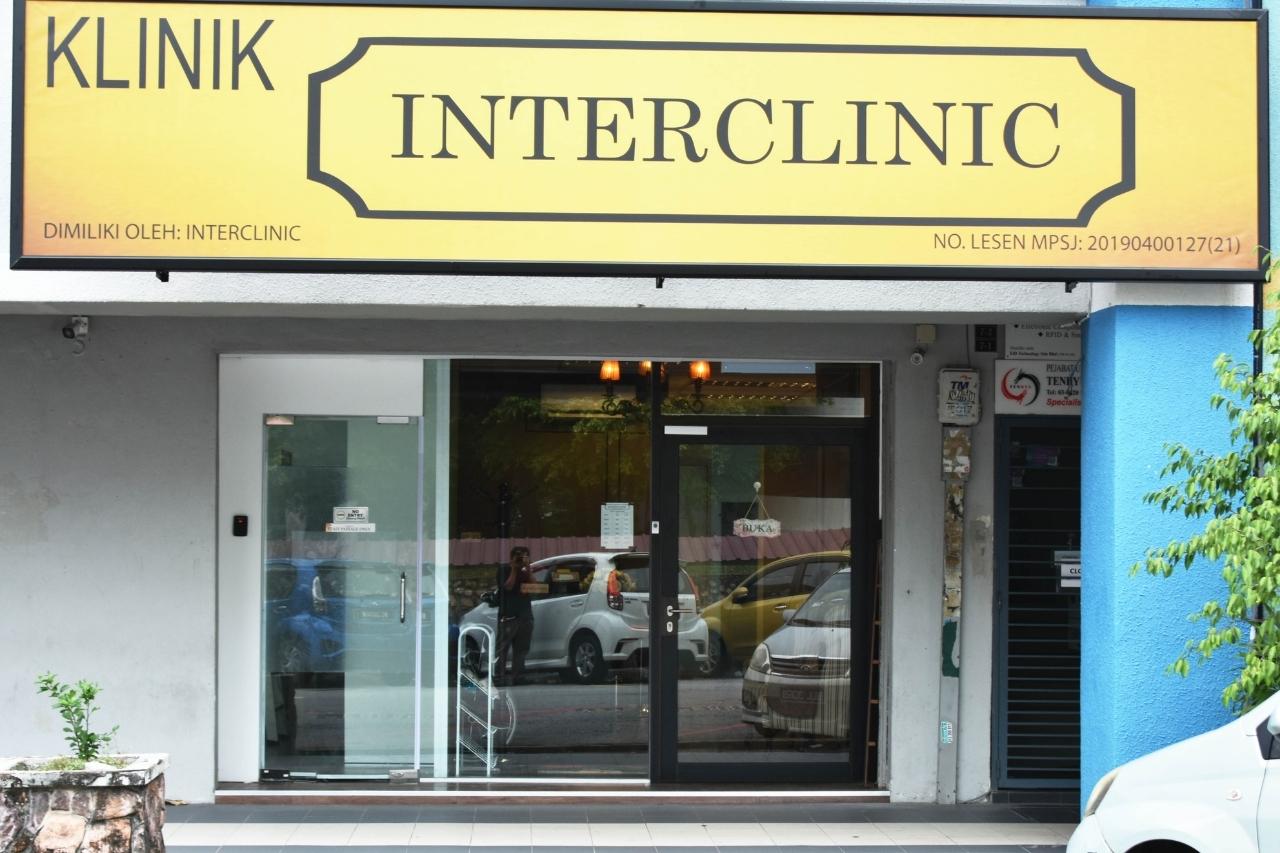
Medical Services | Hair Restoration, Aesthetic Medicine & Preventive Care | Interclinic
Personalised Medical Care for Hair, Skin, Heart, Men’s Health & Wound Healing

Integrated Medical Care at Interclinic: Hair Restoration, Aesthetic Medicine, Preventive Cardiology, Men’s Health & Wound Healing
At Interclinic Medicine and Surgery Clinic, healthcare is not about treating one problem at a time. It is about understanding the whole person. Your hair, skin, heart, hormones, lifestyle, and wounds can all affect how you look, feel, and live.
For that reason, Interclinic brings several medical services together in one convenient setting. Our focus includes hair restoration, aesthetic medicine, preventive cardiology, men’s health, wound healing and General Medical Checkup. Each service has its own purpose. However, they share one important goal: helping you stay healthier, look better, and feel more confident.
Whether you are worried about hair loss, noticing changes in your skin, thinking about your heart health, dealing with a men’s health concern, or struggling with a wound that is slow to heal, the first step is understanding what is happening. From there, the right treatment can be planned around your needs.
A More Complete Approach to Your Health
Modern healthcare is moving beyond simply waiting for symptoms to become serious. Instead, more people are choosing preventive care, early assessment, and personalised treatment. This approach can make a meaningful difference because many health problems develop gradually.
For example, hair thinning may begin long before obvious baldness appears. Similarly, high blood pressure or cholesterol can affect cardiovascular health without causing noticeable symptoms. Skin changes may also develop slowly, while a wound can become difficult to manage when an underlying health issue is missed.
Therefore, a good medical consultation should look beyond the obvious complaint. At Interclinic, we aim to understand your concerns, medical background, lifestyle, and goals. This helps create a more practical treatment journey.
Hair Restoration: Address Hair Loss at the Right Time
Hair is an important part of personal appearance. Consequently, hair loss can affect more than the scalp. It may influence confidence, photographs, social situations, and even how young or old you feel.
Hair loss can happen for many reasons. Genetics is common, but hormones, ageing, nutritional issues, stress, certain medical conditions, and other factors may also contribute. Because the cause matters, effective hair restoration should begin with proper assessment rather than simply choosing a procedure.
At Interclinic, hair restoration focuses on understanding your pattern of hair loss and discussing suitable treatment options. Depending on the situation, treatment may involve medical management, scalp care, or surgical hair restoration. The aim is not simply to add hair. Rather, it is to create a natural-looking result that fits your face, age, and expectations.
Hair Loss Treatment and Hair Transplant Consultation
A hair transplant can be considered when suitable donor hair is available. During a consultation, the doctor can assess the hairline, density, donor area, scalp condition, and pattern of hair loss. In addition, your expectations should be discussed clearly before any decision is made.
FUE hair transplant is one technique used in modern hair restoration. With follicular unit extraction, individual follicular units are carefully harvested from the donor area and placed into areas affected by thinning or baldness. However, the technique itself is only one part of the result.
Good planning matters just as much. For instance, a hairline that looks appropriate for a young adult may not look natural as a person ages. Therefore, hair restoration should balance density, facial proportions, donor supply, and long-term appearance.
If you are searching for hair restoration in Malaysia, hair loss treatment in Malaysia, or a hair transplant clinic in Malaysia, look beyond price alone. Instead, consider medical assessment, treatment planning, safety, aftercare, and the experience of the clinical team.
Aesthetic Medicine: Enhance Your Natural Appearance
Aesthetic medicine is no longer limited to dramatic changes. Today, many people want subtle improvements that help them look fresher without looking obviously treated.
At Interclinic, aesthetic medicine can be approached as part of your overall appearance and wellbeing. The goal is not to change who you are. Instead, treatment should help address specific concerns while respecting your natural facial features.
Common aesthetic concerns include fine lines, wrinkles, uneven skin tone, pigmentation, acne scars, dull skin, loss of firmness, and changes in facial volume. Depending on the concern, different medical aesthetic treatments may be considered.
These can include treatments such as Botox, dermal fillers, skin boosters, HIFU, Pico laser, Rejuran, Profhilo, RF microneedling, acne scar treatment, and melasma treatment. Nevertheless, not every treatment is suitable for every person.
That is why consultation comes first. Your skin condition, facial structure, medical history, expectations, and treatment goals should all be considered. Furthermore, a good plan may combine different approaches over time instead of trying to achieve everything in one session.
Natural-Looking Aesthetic Results
People often worry that aesthetic treatment will make them look artificial. Fortunately, thoughtful treatment planning can focus on balance rather than exaggeration.
For example, improving skin quality may sometimes make a face look more refreshed without changing its basic shape. Likewise, carefully planned treatment of facial lines can soften an aged appearance while preserving normal facial movement.
In other words, the best aesthetic result is often the one that looks like you on a very good day. It should support confidence rather than attract attention to the treatment itself.
Preventive Cardiology: Protect Your Heart Before Problems Grow
Heart health deserves attention even when you feel well. In fact, cardiovascular disease can develop silently for years before a major event occurs.
Preventive cardiology focuses on identifying and managing risk factors before they become bigger problems. These may include high blood pressure, high cholesterol, diabetes, obesity, smoking, physical inactivity, family history, and other lifestyle or medical factors.
At Interclinic, preventive cardiology can form part of a broader health assessment. A cardiovascular risk assessment helps put individual risk factors into context. Rather than focusing on one number, the goal is to understand the overall picture.
For example, a person may have a normal weight but still have high cholesterol or blood pressure. On the other hand, someone with a family history of heart disease may benefit from earlier and more structured monitoring.
Heart Health Screening and Health Check-Ups
A health check-up is not simply a collection of laboratory tests. Instead, it should help answer practical questions about your current health and future risks.
Depending on your age, history, symptoms, and risk profile, assessment may include blood pressure measurement, cholesterol screening, blood glucose testing, lifestyle review, and other investigations when appropriate. In addition, your doctor can discuss nutrition, exercise, sleep, weight management, smoking, and stress.
This is particularly useful for people who want to stay active and healthy as they age. Preventive cardiology is therefore closely connected with healthy aging, longevity, and wellness.
The earlier a risk is identified, the more opportunity there may be to address it. Consequently, regular health screening can become a useful part of long-term health planning.
Men’s Health: Healthcare Designed Around Real-Life Concerns
Men often delay medical care. Sometimes the reason is a busy schedule. At other times, embarrassment or the belief that a problem will disappear on its own gets in the way.
However, early assessment can make many health concerns easier to understand and manage. Men’s health covers much more than sexual health. It can include cardiovascular health, metabolic health, weight, hormones, urinary symptoms, sexual wellbeing, hair loss, lifestyle, and healthy aging.
At Interclinic, men’s health care provides a confidential environment to discuss concerns openly. The consultation can focus on the symptoms that brought you in while also considering broader health risks.
For example, changes in sexual function can sometimes be linked with cardiovascular or metabolic health. Similarly, weight gain, poor sleep, stress, and inactivity may affect energy and overall wellbeing.
Therefore, men’s health should be viewed as a connected part of preventive medicine rather than a collection of isolated problems.
Men’s Wellness and Healthy Aging
As men get older, health priorities can change. Maintaining muscle, managing body weight, protecting cardiovascular health, supporting sexual wellbeing, and staying mentally active can all become increasingly important.
A personalised health plan can help identify areas that deserve attention. Furthermore, regular monitoring makes it easier to see changes over time rather than relying on memory or symptoms alone.
Healthy aging is not about chasing a perfect number. Instead, it is about maintaining function, independence, energy, and quality of life for as long as possible.
Wound Healing: When a Wound Needs More Than a Dressing
Most minor wounds heal naturally. Nevertheless, some wounds take longer than expected or repeatedly break down.
A slow-healing wound can be frustrating. More importantly, it may sometimes indicate an underlying problem that needs attention. Diabetes, poor circulation, infection, pressure, nutritional issues, smoking, and other medical factors can affect the healing process.
At Interclinic, wound healing care focuses on assessing the wound and looking for factors that may be slowing recovery. The wound itself matters, but so does the person around it.
For instance, simply changing a dressing may not solve the problem if infection, pressure, poor blood flow, or uncontrolled blood sugar is contributing to delayed healing. Therefore, a proper assessment is an important part of wound management.
Supporting Better Wound Recovery
Wound care may involve cleaning, dressing selection, infection assessment, pressure management, and monitoring of healing progress. Depending on the situation, additional medical investigation or referral may also be appropriate.
Patients should also understand that wound healing takes time. Nevertheless, changes such as increasing pain, spreading redness, swelling, discharge, fever, or worsening tissue condition should not be ignored.
By addressing the wound early, you may reduce the risk of complications. In addition, managing relevant health factors can support the body’s natural healing process.
Why These Services Work Well Together
Hair restoration, aesthetic medicine, preventive cardiology, men’s health, and wound healing may appear unrelated at first. Yet they share an important foundation: personalised medical care.
Consider someone seeking hair loss treatment. The immediate concern may be thinning hair. However, the consultation can also create an opportunity to discuss general health, lifestyle, nutrition, and other relevant factors.
Likewise, someone interested in aesthetic medicine may also benefit from understanding skin health, lifestyle, and preventive care. A patient seeking men’s health advice may need cardiovascular risk assessment as part of a wider plan.
This connected approach can make healthcare more meaningful. Rather than treating each concern as a separate appointment with no connection, your doctor can consider the wider picture when appropriate.
Personalised Care Instead of One-Size-Fits-All Treatment
Every patient starts from a different point. As a result, the same treatment may produce different outcomes for different people. Age, genetics, lifestyle, skin type, medical history, medications, expectations, and recovery capacity can all influence the right approach.
For hair restoration, donor hair availability and the pattern of hair loss are important. In aesthetic medicine, facial anatomy and skin condition matter. Likewise, cardiovascular prevention depends on your individual risk profile rather than a single test result.
The same principle applies to men’s health and wound healing. A symptom may have several possible causes. Therefore, identifying the likely cause before choosing treatment can prevent unnecessary procedures and help you make better decisions.
Moreover, personalised care does not mean complicated care. It means focusing on what matters most to you and explaining the next step clearly.
Combining Confidence With Medical Responsibility
Looking better and feeling healthier are closely connected. When people feel comfortable with their appearance, they may become more confident in social and professional situations. However, responsible medical care must always come before marketing promises.
At Interclinic, the focus is on realistic expectations. Results can vary, and every treatment has limitations. Consequently, a consultation should include an honest discussion about benefits, risks, alternatives, recovery, and expected outcomes.
This matters especially in areas such as hair transplant treatment and aesthetic medicine, where online images can create unrealistic expectations. Photos may be edited, lighting can change appearance, and individual biology cannot be copied from one patient to another.
Similarly, preventive healthcare should not be based on fear. A health screening is useful when it helps you understand your risks and make informed choices. It should give you knowledge, not unnecessary anxiety.
Medical Care That Fits Your Life
Healthcare should feel understandable. You should know why a treatment is being recommended, what it aims to achieve, and what you can reasonably expect.
At Interclinic Medicine and Surgery Clinic, we believe communication matters. Therefore, consultations should give you space to ask questions and discuss concerns without complicated medical language.
Treatment also needs to fit real life. A plan that looks perfect on paper may not work if it is difficult to follow. Consequently, practical decisions about time, lifestyle, recovery, and long-term maintenance should be part of the discussion.
Whether your priority is hair restoration, aesthetic medicine, preventive cardiology, men’s health, or wound healing, the same principle applies: understand first, then treat.
A Clinic for Different Stages of Life
Your healthcare needs can change over time. Early adulthood may bring concerns about skin, hair, fitness, or lifestyle. Later, preventive screening and cardiovascular risk may become more important. Meanwhile, ageing can bring new questions about men’s health, appearance, mobility, and long-term wellbeing.
Because these needs can overlap, having access to several medical services in one clinic can make your healthcare journey easier to navigate.
You may begin with a specific concern. Then, as your health goals become clearer, you can address other areas when appropriate. This creates a more continuous approach to personal healthcare.
Whether your goal is to restore thinning hair, improve skin quality, protect your heart, address a men’s health concern, or support wound recovery, the right starting point is a proper medical assessment.
Start With What Matters to You
You do not need to understand every medical term before making an appointment. Simply explain what you have noticed, what worries you, and what you hope to improve.
From there, a medical consultation can help separate the urgent from the non-urgent and the appropriate from the unnecessary. In addition, it can give you a clearer idea of what can realistically be achieved.
At Interclinic Medicine and Surgery Clinic, our approach brings medical knowledge together with practical communication. We want healthcare to feel less confusing and more useful.
So, whether you are looking for hair restoration in Malaysia, aesthetic medicine, preventive cardiology, men’s health care, or wound healing, start with a conversation.
Your health is not just one symptom. Your appearance is not just one feature. And your future wellbeing is not something that should be left until a problem becomes serious.
With the right assessment and a sensible plan, you can take a more active role in your health today—and protect the quality of life you want tomorrow.
Your Next Step Starts With a Consultation
You do not need to wait until a concern becomes severe before seeking medical advice. In many cases, early assessment provides more choices and a clearer understanding of what is happening.
If hair loss is affecting your confidence, a hair restoration consultation can help you understand your options. Meanwhile, if you want to improve your appearance, an aesthetic medicine consultation can help identify treatments that suit your skin and goals.
For people concerned about future heart health, preventive cardiology and health screening can provide useful information about cardiovascular risk. Similarly, men’s health consultations can address concerns that are often difficult to discuss elsewhere.
If you have a wound that is slow to heal, recurring, painful, or changing, professional wound assessment can help identify the next appropriate step.
Ultimately, better healthcare begins with a conversation. At Interclinic Medicine and Surgery Clinic, our services are designed to support your health, appearance, confidence, and quality of life through thoughtful medical care.
Take the first step by speaking with our clinical team. Tell us what concerns you most. From there, we can help you understand your options and decide on a suitable path forward.